
There’s no such thing as personal devotion
You work, but what is the purpose of it?
You slave away, but why?
For self? To maintain your own vision of the world?
I have seen people work that way and it just seemed like they were taking more from the world than they were giving. But this line rings in my head:
“Give away your life; you’ll find life given back”
That is the way of the MES staff. That is the type of ethic that brings the best out of others. That and nothing less than that, is require if you want to face this world of suffering head on and bring something beautiful out of it.
MES just celebrated its 40th birthday. (https://mes.org.za)
40 Years of people giving away their lives for the resurrection of others. 40 Years of life being given back to them.
You too… reading this… are called for something greater than your own personal interests. You too… reading this… have the capacity to reach beyond yourself and bring beauty out of brokenness.
But why is this way of life so rare?
Why do we admire people who give themselves away for others, yet we so often settle for a life centred around our own interests?
I think part of the answer is that we have come to believe that devotion is primarily personal. We think of faith as prayer, reading religious texts, church attendance, and private morality. We imagine that our relationship with God exists largely between God and ourselves. When we do that, these practices are empty.
The Bible presents a very different picture.
Devotion to God can never remain private. Love for God inevitably reshapes our work, our family, the poor and even strangers. In fact, the Bible’s vision of righteousness is so profoundly social that the idea of a purely personal devotion would have seemed strange to its authors.
A quote from a Bible Project video…
“Jesus spent most of his time with the poor and insignificant people of his day, and he claimed that God‘s rescue of the world was beginning through him and in them. What was God rescuing the world from?
Well, it’s a rescue from the kind of world we’ve created by our selfishness and our contempt for others, that leads to violence. And it’s a rescue into communities of wholehearted love and respect.
Jesus describes this way of life by using an ancient biblical word “righteousness”.A righteous person is someone who consistently does right by God and right by others.“
The word in the bible
The word is “tzadeqah”, and it refers to a life of right relationships. A righteous person is “righteous” because they are right with God and therefore committed to putting right all other relationships in life.
This means, then, that Biblical righteousness is inevitably “social,” because it is about relationships.
When most modern people see the word “righteousness” in the Bible…
…they tend to think of it in terms of private morality, such as holding yourself back sexually or diligence in prayer and Bible study. But in the Bible “tzadeqah” refers to day to day living in which a person conducts all relationships in family and society in the right way.
It is not surprising, then, to discover that “tzadeqah” and the word for justice “mishpat” are brought together repeatedly in the Bible.

They are always mentioned together because they describe two sides of the same reality.
“Mishpat” is about putting things right when they have gone wrong. It involves confronting injustice, holding wrongdoers accountable and caring for those who have been harmed.
“Tzadeqah” describes a way of life that makes such correction not necessary in the first place. It is the kind of life lived in right relationship with God and with others. A life of fairness, generosity and integrity. If everyone lived this way, there would be no injustice to correct.
Therefore, “tzadeqah”, righteousness, describes right relationship with God and the life that flows from it is deeply social. It affects how we treat the people around us.
Especially the poor.
A passage in the book of Job gives us a clear picture of what a life of righteousness looks like:
I rescued the poor who cried for help, and the fatherless who had none to assist him. The man who was dying blessed me; I made the widow’s heart sing. I put on righteousness [tzadeqah] as my clothing; justice [mishpat] was my robe and my turban. I was eyes to the blind and feet to the lame. I was a father to the needy; I took up the case of the immigrant. I broke the fangs of the wicked and snatched the victims from their teeth.
Job 29:12-17
In Job’s conscience… to omit to do good to any fellow human being, especially if they were an outcast… would be a grievous offence to God.
What does this practically look like?
In our world, this means taking the time personally to meet the needs of the disabled, the elderly, the hungry, the immigrant, the orphan, the GBV victim, the bullied and any outcast in our neighbourhoods.
Or it could mean building a business to serve the interests of these types of people.
Or simply going out of your way to include someone excluded.
Job goes on to say…
If I have denied justice [mishpat] to my menservants and maidservants when they had a grievance against me, what will I do when God confronts me? . . . If I have denied the desires of the poor or let the eyes of the widow grow weary, if I have kept my bread to myself, not sharing it with the fatherless—but from my youth I reared him as would a father, and from my birth I guided the widow—if I have seen anyone perishing for lack of clothing, or a needy man without a garment, and his heart did not bless me for warming him with the fleece from my sheep, if I have raised my hand against the fatherless, knowing that I had influence in court, then let my arm fall from the shoulder, let it be broken off at the joint. . . . these also would be sins to be judged, for I would have been unfaithful to God on high.
Job 31:13-28
He fulfils “the desires of the poor” (verse 16). The word “desire” does not mean just meeting basic needs for food and shelter. It means that he turns the poor man’s life into a delight.
The word desire, mê·ḥê·p̄eṣ, from chephets (Strongs Concordance) is a richly textured term describing the stance of the heart toward an object or purpose, ranging from ordinary human longings to the sovereign delight of the LORD.
This goes beyond what today we would call “charity.”
Job is not just giving handouts, but rather has become deeply involved in the life of the poor and the outcast of the world.
His goal for the poor is a life of delight, and his goal for the widow is that her eyes would “no longer be weary.”
He refuses to simply settle for meeting the momentary needs of the people around him.
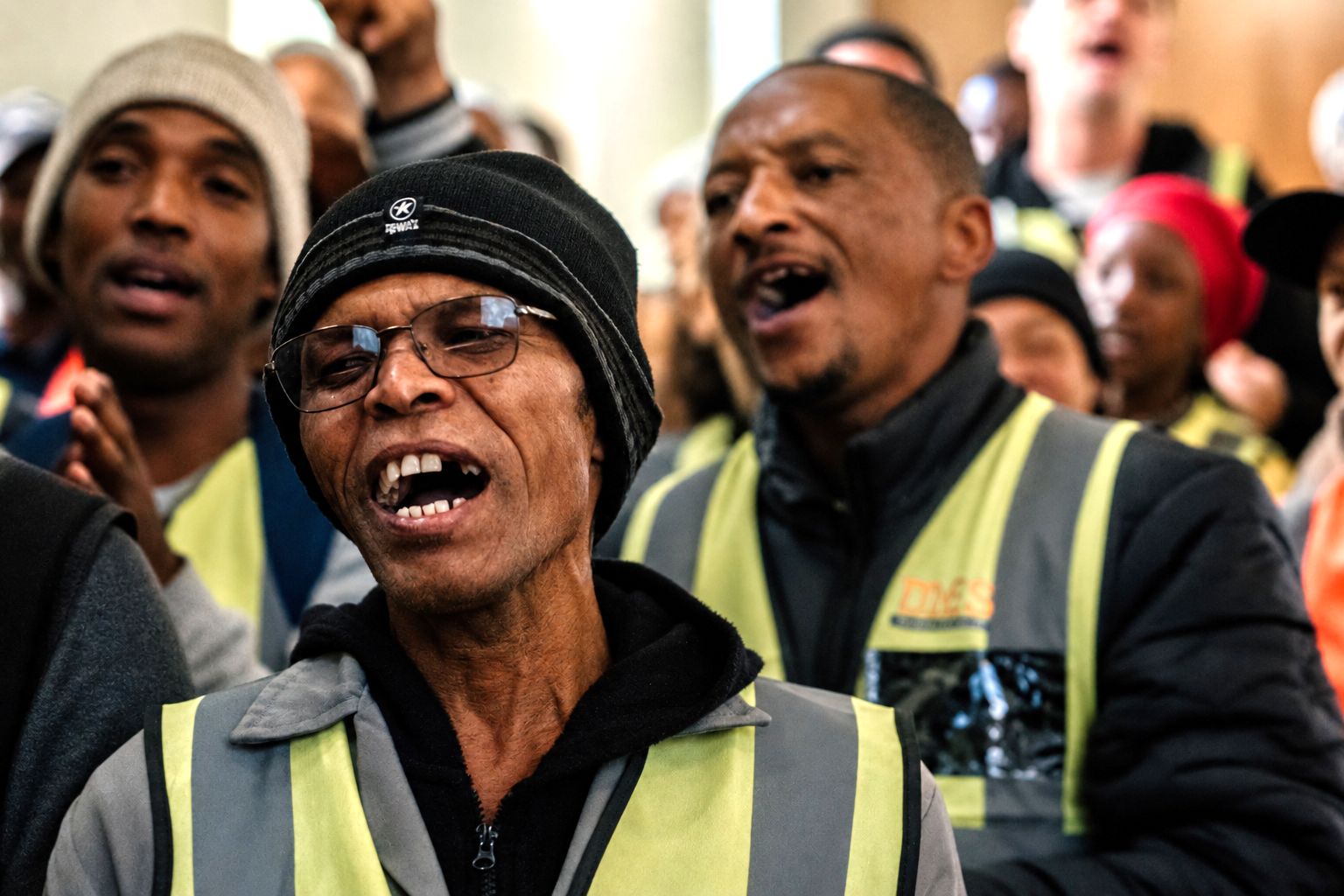
This is why I found myself thinking about the staff of MES.
For 4 decades, they have been doing the kind of work that Job describes. Through tears. And trials. And tests. They have chosen to enter into the struggles of people’s lives. They have not offered charity from a distance, they have invested their lives in the restoration of others.
At the 40th birthday celebration, I was seeing people who understood that devotion to God can never remain private.
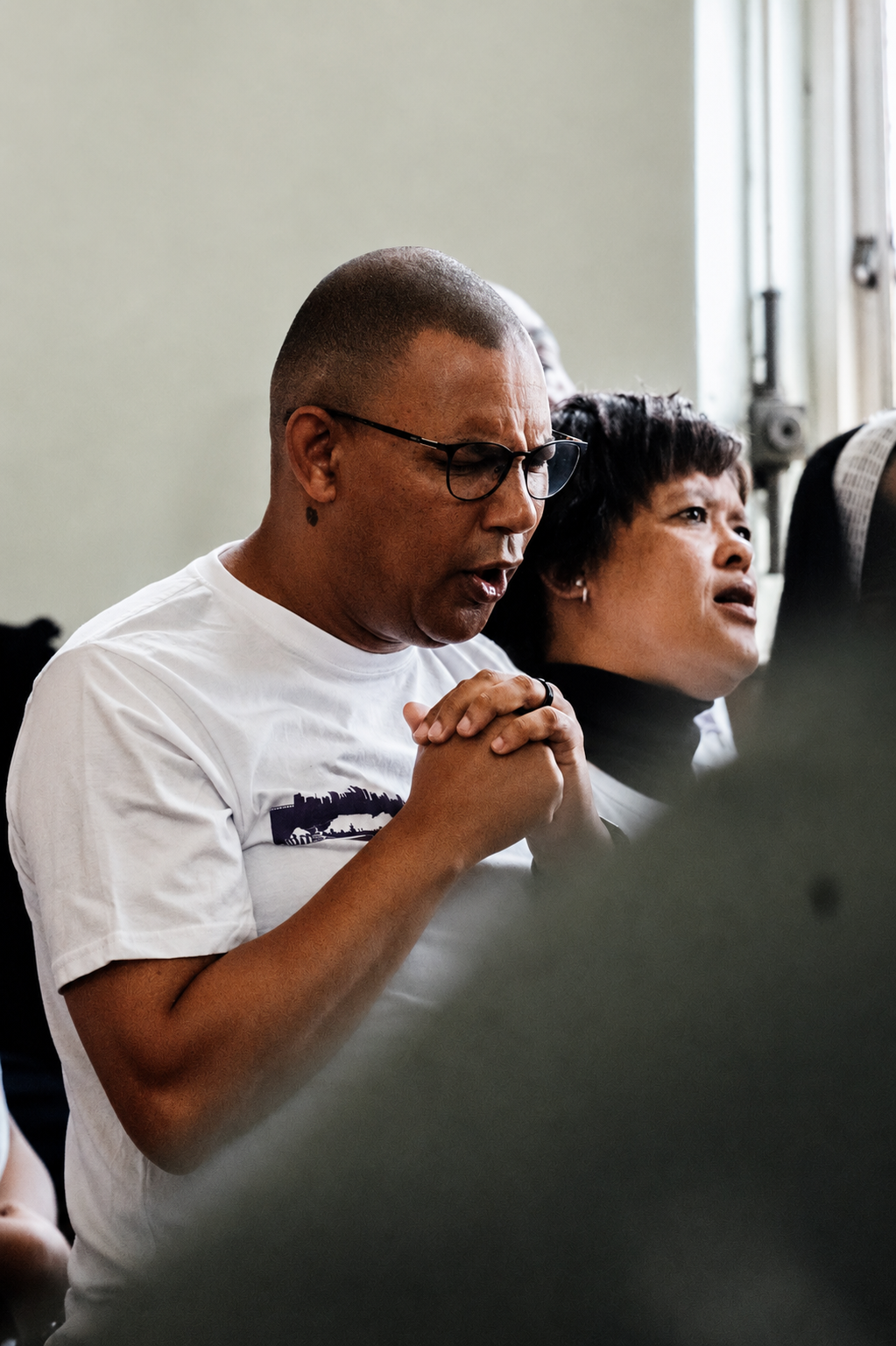
Their lives are a reminder that righteousness is not merely something we believe. It is something we embody.
There is no such thing as personal devotion.
There is only devotion that overflows into love for others.
And that is why Jesus spent so much of His time among the poor and outcasts in society. Because the rescue of the world was never meant to happen through isolated acts of private spirituality, but through communities of people who love God so deeply that they can’t help but love others as well.
It is the kind of devotion that has sustained MES for 40 years.
That is the kind of devotion that changes the heart of a city.
If you’re reading this, I assume you want to create prosperity for people. But the thing is, throughout history, just because there was prosperity created, doesn’t mean it is always shared.
Next week we’ll talk about what shared prosperity means from an economics point of view.
I’m looking forward to changing the world with you! ❤️🌍
